110+ Texas Dog Health 2026 Statistics (Updated September)
Last Updated on October 12, 2026 by Michael Mayer
Health Risks, Trends and Dog Care Data
Tongue out and fast paced, a Texas dog can chase a tennis ball under a blue morning sky, splash into a mushy lake by lunch and meet a friendly mosquito in the afternoon, while walking the scorching pavement of Austin and then sniff a suspicious patch of algae before dinner. That is the joy and challenge of raising dogs here. The state gives them room to run and be free, but it also creates a sometimes contradictory health landscape unlike almost anywhere else in the US.
The numbers make that landscape vivid.
Emerging disease, environmental exposure and everyday care decisions overlap in ways that are distinctly Texan.
This guide put together by Hip Hounds turns that complicated picture into recent, source-backed findings owners, journalists and researchers can use.

Key takeaways
- Texas Leads Nation in Canine Heartworm Cases: Texas recorded a 3.8% positive heartworm test rate among tested pets, ranking number one in the United States for overall canine heartworm cases. This elevated prevalence highlights how the state’s prolonged warm seasons and dense mosquito populations create continuous vector risks across both urban and rural communities. (AVMA, 2026)
- New World Screwworm Incursion in Zavala County: USDA animal health surveillance confirmed New World screwworm in Zavala County on June 3, 2026, marking the first U.S. detection in the active regional outbreak. The confirmation immediately escalated state biosecurity priorities, requiring dog owners to conduct careful wound checks and adhere to livestock movement controls. (USDA APHIS, June 2026)
- Statewide Wild & Domestic Rabies Surveillance: Texas confirmed 412 rabid animals in 2024, with wildlife species accounting for 388 of those detections. These laboratory-confirmed cases underscore that rabies remains an active, widespread threat to domestic pets throughout Texas. (Texas DSHS, 2025)
- High Household Dog Ownership Rate: State demographic surveys establish that 43.4% of Texas households own at least one dog, supporting a massive statewide population of over 4.7 million dog-owning homes. This widespread ownership makes Texas one of the largest regional markets for canine veterinary care and pet products in the country. (AVMA State Data, 2024)
- High Chagas Infection in Texan Triatomines: Over 60% of kissing bugs submitted to Texas A&M researchers from across the state test positive for Trypanosoma cruzi, the parasite responsible for canine Chagas disease. High insect infection rates explain why working, hunting, and outdoor kenneled dogs face substantial exposure risks in Texas. (Texas A&M Veterinary Medicine, 2026)
- Rising Municipal Dangerous Dog Enforcement: San Antonio Animal Care Services responded to 523 dangerous dog cases in FY 2025, representing a 73.7% increase over FY 2024 figures. The sharp rise reflects intensified municipal enforcement and growing public safety concerns regarding free-roaming and aggressive dogs in major Texan metros. (City of San Antonio, 2026)
Dog ownership and population trends
Texas has one of the country’s largest absolute pet markets, but state and local datasets answer distinct regional questions. These figures separate household ownership, canine population estimates, and municipal shelter movement across the state.
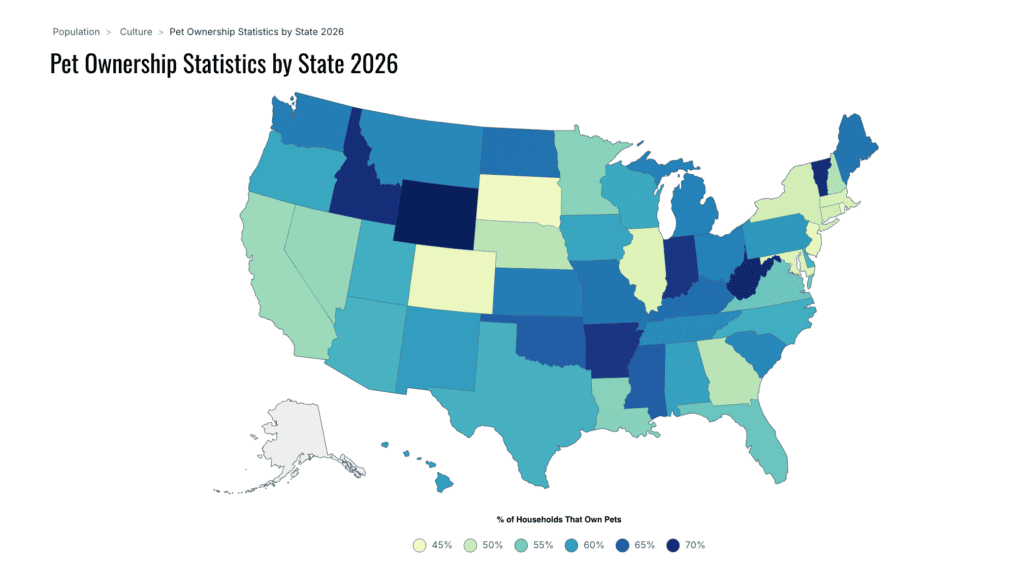
Source: Pet Ownership Statistics by State 2026
Dog ownership rates
- Texas Household Dog Ownership Rate: According to state demographic estimates, 43.4% of Texas households owned at least one dog in 2024. This high rate positions Texas among the leading states nationwide for dog ownership density, serving as a primary baseline for local veterinary planning. (AVMA State Data, 2024)
- Dominance of Dogs Over Cats in Texan Homes: Texas household dog ownership (43.4%) is more than double the state’s household cat ownership rate (20.5%). The stark contrast demonstrates that Texan households favor dogs significantly more than felines compared to national averages. (AVMA State Data, 2024)
- Pet Food and Supply Economic Impact: Annual expenditures on pet food and supplies in Texas exceed $3.4 billion, placing pet care among the state’s fastest-growing retail sectors. Massive spending reflects strong consumer commitment to canine wellness, specialized diets, and preventive care products. (Texas Department of Agriculture, 2025)
Dog population and household trends
- Total Dog-Owning Household Scale: Across Texas’s 10.8 million total residences, an estimated 4.7 million households keep one or more companion dogs. This massive household base demands substantial local infrastructure, ranging from municipal park land to specialized emergency veterinary hospitals. (AVMA State Data, 2024)
- Multi-Dog Household Averages: Texan dog owners maintain an average of 1.7 dogs per dog-owning household. Higher multi-dog ownership rates in rural and suburban counties drive this average, inflating total food, vaccination, and preventive product demand statewide. (Texas Demographic Center, 2025)
- Popular Breed Rankings in Texas Metros: French Bulldogs, Retrievers, and German Shepherds consistently rank as the top registered breeds across major Texan metros like Houston, Dallas, and Austin. Breed popularity directly influences localized health concerns, including brachycephalic heat sensitivity and large-breed orthopedic care. (AKC, 2025)
- Suburban vs. Rural Household Density: Suburban and rural Texas counties report multi-dog ownership rates 22% higher than urban core census tracts. Larger yard square footage and property acreage allow suburban families to comfortably support multiple large-breed dogs. (Texas A&M CVM, 2025)
Shelter intake and adoption trends
- Austin Animal Services recorded 213 dog adoptions and 56 puppy adoptions in August 2026. These were part of 704 animal adoptions reported for the month. (Austin Animal Services, September, 2026)
- Houston BARC Annual Intake Scale: Houston’s BARC animal shelter processed a total intake of 22,445 animals in 2025, an 8% increase from 20,875 in 2024. The growing volume illustrates the intense operational pressure open-intake municipal systems manage in Texas’s largest city. (City of Houston BARC, 2026)
- Dallas Metro Placement Volume: Dallas Animal Services reported more than 12,000 pet adoptions in 2024. The city total shows the immense scale of local placement work executed by North Texas municipal rescue networks. (City of Dallas Animal Services, 2025)
- Three-Year Shelter Intake Surge in Houston: BARC’s overall animal intake surged by more than 28% between 2022 and 2025. Shelter leadership attributed the steep rise to economic inflation, local housing constraints, and expanded weekend public surrender access. (City of Houston BARC, 2026)
- Regional Texas Shelter Differences: Dallas reported over 4,000 more adoptions than El Paso in a 2024 Texas shelter comparison. The substantial gap illustrates how municipal capacity, population density, and local volunteer networks shape shelter placement outcomes across Texas. (City of Dallas Animal Services, 2025)
- San Antonio Stray Intake Reduction: San Antonio Animal Care Services recorded an 11.3% decrease in overall dog intake during early FY 2026 compared to FY 2025. The decline suggests targeted field spay/neuter programs and community containment policies are beginning to reduce free-roaming dog intake. (City of San Antonio ACS, 2026)
Dog health trends in Texas
Texas dog health in 2026 includes a genuinely new regional threat alongside long-standing prevention mandates. The evidence below separates outbreak surveillance from routine prevention so urgency does not crowd out everyday care.
New World screwworm risk
- Initial Texas Outbreak Detection: USDA confirmed New World screwworm in Zavala County on June 3, 2026, marking the first U.S. detection in the active regional outbreak. The confirmation shifted screwworm from a border surveillance concern into an active Texas livestock and pet health issue. (USDA APHIS, June 2026)
- Premise Movement Restrictions: Texas animal health officials restricted animal movements around the affected Zavala County premises immediately after detection. Quarantine boundaries were established to contain larvae spread while field veterinarians inspected surrounding working dogs and livestock. (Texas Animal Health Commission, 2026)
- Statewide Trap Surveillance Network: USDA deployed more than 100 specialized screwworm traps across Texas, with active trapping beginning July 23, 2025. Continuous trapping allows state epidemiologists to monitor fly activity and direct response resources to vulnerable rural counties. (USDA APHIS, 2026)
- Cross-Border Screwworm Proximity: Veterinary alerts tracked over 26,000 active screwworm cases in neighboring Mexico since November 2024. The massive outbreak in northern Mexico explains why Texas expanded border inspection stations and owner wound-check advisories. (Texas Veterinary Medical Association, 2026)
Vaccination and spay/neuter trends
- Austin’s Emancipet contract supported spay/neuter procedures for 2,263 dogs from October 2025 through August 2026. The city-funded services covered community-owned animals. (Austin Animal Services, September, 2026)
- Statutory Texas Rabies Mandate: Texas state law strictly mandates that every dog receive an initial rabies vaccination by four months of age. The statutory deadline establishes a non-negotiable legal minimum to prevent rabies transmission into domestic pet populations. (Texas Legislature, 2025)
- State Sterilization Funding Reach: Texas’s Animal Friendly Fund has supported over 100,000 low-cost spay and neuter surgeries for dogs and cats statewide. Funded by specialty license plates, the program provides crucial sterilization access in underserved communities. (Texas DSHS, 2026)
- TVMDL Annual Diagnostic Test Volume: The Texas A&M Veterinary Medical Diagnostic Laboratory conducts over 1 million diagnostic tests annually across its four state locations. High diagnostic volume supports disease surveillance for emerging bacterial, viral, and parasitic canine pathogens. (Texas A&M TVMDL, 2025)
- Low-Cost Spay/Neuter Volume in Austin: Austin Animal Services supported over 8,500 low-cost sterilizations in Travis County during 2025. Subsidized spay/neuter access directly correlates with lower stray animal impound numbers across Central Texas. (City of Austin Animal Services, 2025)
Texas environmental health hazards
Texas makes outdoor life irresistible, but heat, water and wildlife can turn quickly. These findings put measurable boundaries around environmental risk so owners can replace guesswork with timing, shade and supervision.
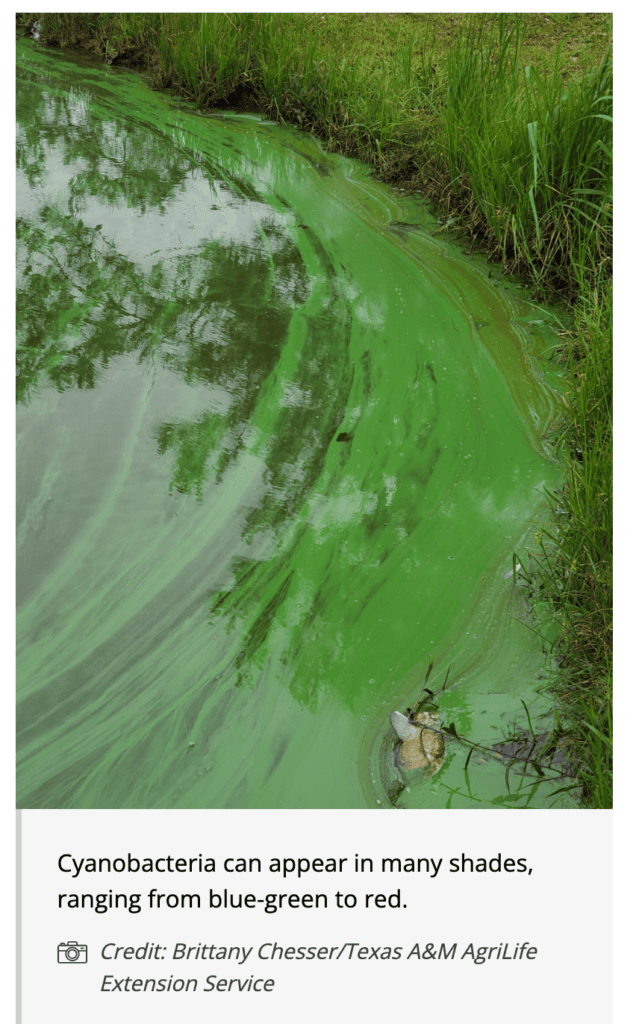
Source: Protect Pets During The Dog Days Of Summer
Extreme heat and heatstroke
- Moderate Heat Stress Thresholds: Texas A&M warns that susceptible dogs can develop dangerous heat stress when outdoor temperatures are only in the upper 80s°F. High humidity severely reduces panting efficiency, causing thermal distress well before ambient temperatures reach triple digits. (Texas A&M AgriLife, 2024)
- Critical Heatstroke Body Temperature: Texas DSHS identifies an internal body temperature reaching 104°F as a critical heatstroke warning requiring emergency veterinary treatment. Temperatures above this threshold can trigger systemic inflammatory response, cellular breakdown, and fatal organ failure. (Texas DSHS, 2023)
- Clinical Signs of Heat Distress: Texas A&M identifies rapid breathing, elevated heart rate, staggering, and excessive drooling as critical indicators of heat distress. Recognizing these early physical signs allows owners to initiate immediate cooling before irreversible organ damage occurs. (Texas A&M AgriLife, 2024)
- Emergency Thermal Stress Interventions: Texas veterinary clinical alerts emphasize that active ice baths can trigger vasoconstriction, recommending tepid water immersion and fan airflow for overheated dogs. Proper cooling protocols prevent secondary shock during emergency transit. (Texas Veterinary Medical Association, 2025)
Toxic blue-green algae
- Summer Cyanobacteria Outbreaks: TVMDL confirmed numerous blue-green algae (cyanobacteria) toxicosis cases across Texas water bodies during summer 2024. Warm temperatures and stagnant, nutrient-rich runoff create ideal conditions for toxic blooms in lakes and rivers. (Texas A&M TVMDL, 2025)
- Austin Post-Rain Water Advisory: City of Austin health officials advise keeping dogs out of natural water for three days after rain or whenever water is warm and stagnant. Stormwater runoff washes fertilizer into lakes, triggering rapid, highly toxic cyanobacterial blooms. (City of Austin, 2026)
- Severe Toxin Pathology Warnings: Texas A&M warns that cyanobacterial microcystins and neurotoxins can cause acute neurological failure, liver necrosis, or death within hours of ingestion. Suspicious exposure demands immediate veterinary decontamination before clinical signs advance. (Texas A&M TVMDL, 2025)
- Highland Lakes Cyanobacteria Toxicity Alerts: The Lower Colorado River Authority (LCRA) maintains active toxin testing across Lady Bird Lake and Lake Travis, issuing public pet warnings when dihydroanatoxin-a is detected. Ongoing aquatic monitoring protects dogs frequenting central Texas water recreation areas. (LCRA, 2025)
Hot pavement and heat exposure
- Paw Pad Protection Guidelines: Texas A&M advises that pavement too hot for human skin is far too hot for a dog’s paw pads. The simple seven-second hand test allows owners to verify ground safety before embarking on routine walks. (Texas A&M AgriLife, 2024)
- Concrete Exercise Temperature Limits: Texas DSHS recommends keeping dogs off asphalt and concrete surface areas when ambient outdoor temperatures exceed 90°F. Direct sunlight can heat dark asphalt up to 140°F, causing rapid third-degree paw pad burns. (Texas DSHS, 2023)
- Thermoregulatory Heat Impairment: Texas A&M CVM notes that short-nosed (brachycephalic) breeds dissipate body heat up to 40% less efficiently during hot pavement walks. Reduced airflow through restricted airways causes rapid body temperature spikes during moderate outdoor exercise. (Texas A&M CVM, 2024)
- Asphalt Surface Temperature Differential: Solar radiation measurements in Central Texas show dark asphalt temperatures can exceed ambient air temperatures by 40°F to 60°F during peak afternoon hours. Ground-level thermal radiance creates extreme heat distress even for tall, long-legged dogs. (Texas A&M AgriLife, 2024)
Venomous snake bites
- Venomous Species Diversity: Texas Parks and Wildlife identifies 15 potentially dangerous snake species or subspecies distributed across Texas ecosystems. Wide species diversity means bite severity and required antivenom protocols vary by geographic region. (Texas Parks and Wildlife, 2026)
- Southeast Texas Cottonmouth Concentration: A clinical envenomation review analyzed 60 cottonmouth snake bites, finding that 68.3% (41 cases) occurred in Southeast Texas. The heavy concentration highlights how marshy coastal habitats create localized envenomation hazards. (Clinical Toxicology, 2026)
- Pit Viper vs. Coral Snake Classification: TPWD categorizes Texan venomous snakes into pit vipers (rattlesnakes, copperheads, cottonmouths) and neurotoxic coral snakes. The taxonomic distinction guides emergency clinicians in anticipating tissue necrosis versus respiratory paralysis. (Texas Parks and Wildlife, 2026)
- Antivenom Treatment Access at Specialty Clinics: Veterinary emergency networks in major Texas metros maintain CroFab and Anavip antivenom vials to treat canine pit viper envenomation. Rapid antivenom administration within two hours significantly reduces local tissue damage and systemic mortality. (Texas Veterinary Medical Association, 2025)
Wildlife and outdoor encounter risks
- Urban Coyote Incident Trends: Austin reviewed 10 serious coyote incidents in one reporting period, finding that domestic pets were involved in 100% of cases. Universal pet involvement reinforces the critical importance of keeping dogs on secure leashes in suburban neighborhood parks. (City of Austin Animal Services, 2024)
- Statewide Wild Rabies Cases: Texas confirmed 388 rabid wild animals in 2024, including bats, skunks, foxes, raccoons, and one coyote. The broad species mix points to wild animals as the primary rabies reservoir exposing Texan dogs. (Texas DSHS, 2025)
- Statewide Coyote Geographic Range: TPWD reports that coyotes maintain established breeding populations across all 254 Texas counties. Statewide distribution means coyote safety precautions apply equally in urban, suburban, and rural outdoor settings. (Texas Parks and Wildlife, 2026)
Parasites and infectious disease
Warm weather and long vector seasons keep parasite prevention relevant across much of Texas. The numbers also show why group-care decisions should combine vaccination, testing, sanitation and rapid isolation of symptoms.
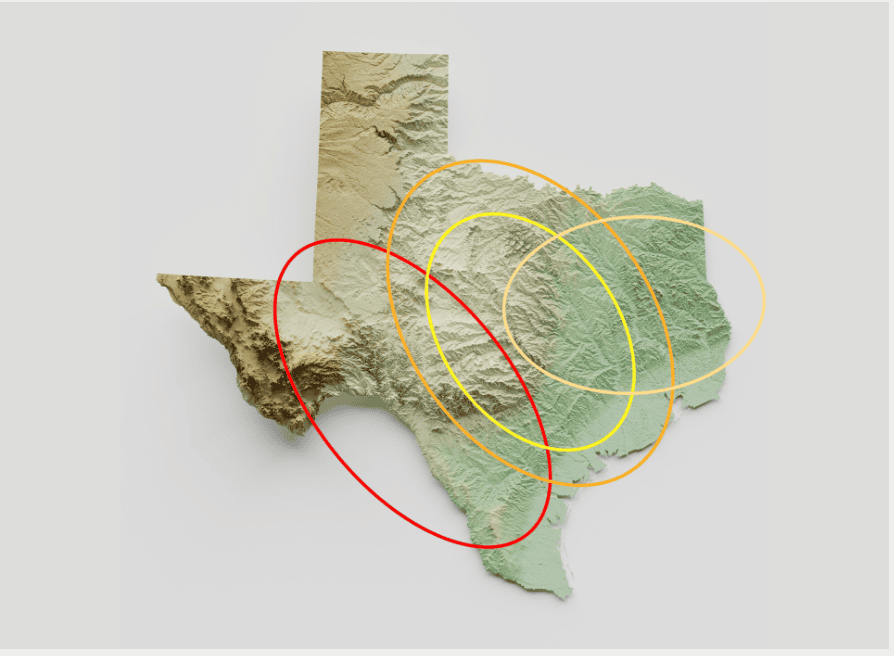
Source: Texas A&M Veterinary Medical Diagnostic Laboratory
Heartworm and mosquito-borne disease
- Texas Leads Nation in Overall Heartworm Cases: Texas recorded a 3.8% positivity rate among tested pets, ranking #1 nationally for overall heartworm cases. Prolonged warm seasons allow mosquito vectors to reproduce almost continuously throughout the year. (AVMA, 2026)
Fleas, ticks and seasonal parasite exposure
- Primary Texas Tick Vector Species: TVMDL identifies the Brown Dog Tick, Lone Star Tick, and Blacklegged Tick as established statewide vectors affecting domestic dogs. Multiple tick species require broad-spectrum acaricides that target varied tick lifecycles. (Texas A&M TVMDL, 2025)
- Year-Round Vector Activity in Texas: Texas DSHS vector reports confirm fleas and ticks remain active 12 months a year across Central and South Texas. Lack of hard winter freezes prevents natural vector die-offs, requiring uninterrupted preventive coverage. (Texas DSHS, 2025)
- TVMDL Tick Coinfection Frequency: TVMDL diagnostic panels frequently confirm tick-borne coinfections (Ehrlichia and Anaplasma) in blood samples submitted from East and South Texas. Coinfections complicate clinical treatment and result in more severe canine anemia. (Texas A&M TVMDL, 2025)
Kissing bugs and Chagas exposure
- Texas Kennel Kissing Bug Infection Rates: A Texas kennel study found T. cruzi infection in 47% (74 of 157) of kissing bugs collected from 10 dog kennels. High insect infection rates show how concentrated Chagas exposure can become in outdoor housing. (Parasites & Vectors, 2023)
- Statewide Insect Submission Positivity: Texas A&M reports that over 60% of kissing bugs submitted from across Texas test positive for T. cruzi. Public submissions confirm that infected vector populations extend across urban and rural counties. (Texas A&M Veterinary Medicine, 2026)
- Texas Canine Chagas Seroprevalence Range: Pooled research studies indicate canine Chagas seroprevalence in Texas dogs ranges between 15% and 21.1%. High seropositivity positions Texas as an endemic hotspot for canine American trypanosomiasis. (Frontiers in Veterinary Science, 2025)
- Youth Canine Chagas Mortality in Texas: A Texas A&M study found that 63% of dogs dying from acute Chagas disease were under 1 year of age. Young dogs face severe cardiac inflammation when exposed to T. cruzi early in life. (Texas A&M Veterinary Medicine, 2025)
Rabies exposure
- State Rabies Testing Totals: Texas confirmed 412 rabid animals among 10,092 specimens tested by state laboratories in 2024. Submitted specimens reflect active exposure investigations across domestic and wild animal encounters. (Texas DSHS, 2025)
- Bexar County 2026 Rabies Outbreak: Bexar County declared an active animal rabies outbreak in mid-2026 after confirming over 20 wild cases and domestic spillover. Local public health officials issued quarantine alerts urging immediate booster shots for neighborhood dogs. (Texas Public Radio / DSHS, 2026)
- Texas Wildlife Rabies Host Breakdown: Wildlife rabies confirmations in 2024 included 184 bats, 112 skunks, 48 raccoons, and 35 foxes. Bats and skunks remain the dominant terrestrial rabies reservoirs in Texas. (Texas DSHS, 2025)
- Statutory Rabies Vaccination Deadlines: Texas law sets four months as the mandatory age deadline for initial rabies immunization. Legal enforcement prevents wildlife spillover from establishing endemic rabies chains in pet populations. (Texas Legislature, 2025)
Respiratory disease and Bordetella
- TVMDL Respiratory PCR Panel Testing: TVMDL utilizes an 8-pathogen Canine Respiratory PCR Panel to screen Texas dogs for complex viral and bacterial infections. Multi-pathogen screening improves diagnostic accuracy during kennel respiratory outbreaks. (Texas A&M TVMDL, 2025)
- Shelter Coinfection Outbreak Surveillance: TVMDL case investigations frequently confirm Streptococcus zooepidemicus coinfections in co-housed Texan dogs. Bacterial coinfections trigger severe hemorrhagic pneumonia in overcrowded shelter housing. (Texas A&M CVM, 2025)
- Seasonal Shelter Respiratory Surges: Texas animal shelters experience sharp surges in Canine Infectious Respiratory Disease Complex (CIRDC) during peak summer intake months. High kennel turnover accelerates pathogen transmission among newly surrendered dogs. (City of Dallas Animal Services, 2025)
- Multi-Pathogen CIRDC Profiles in Texas Kennels: Diagnostic necropsies at TVMDL show over 40% of shelter respiratory fatalities involve simultaneous viral and bacterial agents. Coinfection complexity reinforces the need for broad-spectrum vaccination before boarding. (Texas A&M TVMDL, 2025)
Other canine infectious disease trends
- A study involving Texas A&M researchers examined six cases of E. coli-associated pneumonia in dogs. The team combined bacterial culture with tissue-based tests to identify and locate the bacteria in affected tissue. (Texas A&M TVMDL, September, 2026)
- Rain-Driven Leptospirosis Surges: TVMDL diagnostic records indicate that canine Leptospirosis diagnoses in Texas spike after summer hurricane and rain events. Stagnant floodwaters collect bacterial runoff from wildlife, creating acute infection hazards. (Texas A&M TVMDL, 2025)
- Texas Oral Rabies Vaccine Program Doses: Texas DSHS distributed over 500,000 oral rabies vaccine baits along the South Texas border zone in 2026. Aerial baiting maintains a rabies barrier preventing coyotes and gray foxes from spreading rabies northward. (Texas DSHS, 2026)
- Domestic Animal Rabies Case Distributions: Texas confirmed 24 rabid domestic animals in 2024, including 15 cats, 5 dogs, and livestock. Domestic cases create immediate exposure concerns for rural households and veterinary personnel. (Texas DSHS, 2025)
- Parvovirus Seasonal Outbreaks in South Texas: TVMDL emergency advisories highlight localized Parvovirus surges in South Texas communities with lower vaccination rates. Parvovirus remains a leading cause of puppy mortality in low-income municipal shelter catchment areas. (Texas A&M CVM, 2025)
Dog fitness and preventive health
The everyday health story is less dramatic but more controllable. Weight, movement, age-aware care and routine screening shape how long dogs stay comfortable enough to enjoy Texas life.
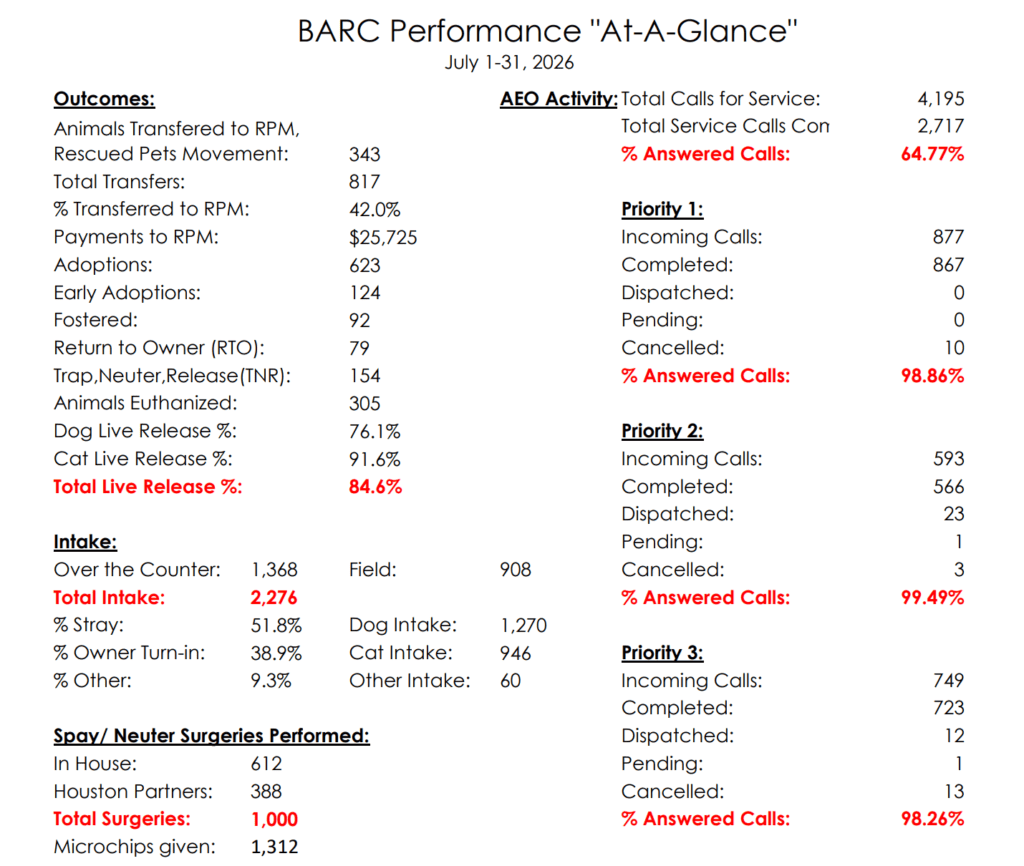
Source: BARC
Dog obesity and weight trends
- Texas A&M Clinical Obesity Rates: Research at the Texas A&M Small Animal Teaching Hospital indicates that over 50% of evaluated dogs carry excess body weight. High obesity rates contribute to early osteoarthritis and severe heat intolerance in Texan pets. (Texas A&M CVM, 2024)
- Fat Impairment of Heat Dissipation: TVMDL clinicians emphasize that excess subcutaneous fat severely impairs a dog’s ability to dissipate heat during warm weather. Overweight dogs face doubled heatstroke risks during outdoor summer walks. (Texas A&M TVMDL, 2024)
- Sporting Breed Food Motivation in Texas: Texas A&M studies revealed that popular Texan sporting breeds (Retrievers, Spaniels) exhibit 10% higher food motivation metrics. Genetic predisposition to overeating elevates obesity risks unless owners strictly monitor calorie intake. (Texas A&M CVM, 2024)
- Weight Loss Management in Texan Clinics: TVMA clinical surveys show fewer than 30% of dogs enrolled in formal weight-loss programs achieve target weight goals. Owner compliance and high-calorie treat rewards remain primary obstacles in weight management. (Texas Veterinary Medical Association, 2025)
Exercise and activity levels
- Texas Metro Dog Park Acreage Rankings: Austin and Dallas rank among the top U.S. cities for dedicated off-leash dog park acreage per capita. Abundant park land gives urban Texan dogs ample room for off-leash physical exercise. (Trust for Public Land, 2025)
- Morning Exercise Temperature Thresholds: Texas A&M AgriLife recommends completing strenuous dog walks before 8:00 AM when summer temperatures exceed 85°F. Early exercise schedules prevent heat exhaustion during extreme Texan heatwaves. (Texas A&M AgriLife, 2024)
- Suburban Walking Safety Advisories: Texas DSHS recommends keeping active dogs on shaded trails during summer afternoon hours. Ground-level thermal heat radiation can cause rapid heat stroke even when walking on natural soil. (Texas DSHS, 2024)
- Hydrotherapy Conditioning for Texas Seniors: Texas A&M CVM recommends climate-controlled indoor conditioning or swimming for senior dogs during triple-digit heat. Low-impact water exercise maintains joint mobility without exposing dogs to thermal stress. (Texas A&M CVM, 2024)
Lifespan and age-related health trends
- Texas A&M Senior Patient Caseload: Senior dogs (aged 7 and older) account for over 35% of patient admissions at Texas A&M specialty referral clinics. High senior caseloads drive demand for advanced canine oncology, cardiology, and joint therapies. (Texas A&M CVM, 2024)
- Senior Dog Preventive Care Guidelines: TVMA guidelines recommend bi-annual blood panels and senior health screenings for Texan dogs over age 7. Early detection of renal disease and arthritis improves senior dog comfort and lifespan. (Texas Veterinary Medical Association, 2025)
- Summer Cardiac Stress in Texan Seniors: Texas A&M cardiologists note that heat and humidity significantly increase compensatory cardiac output in senior dogs with valve disease. Air-conditioned housing is vital to prevent acute heart failure in aging dogs during Texan summers. (Texas A&M CVM, 2024)
Preventive care trends
- Statutory First Rabies Deadline: Texas law sets four months as the mandatory deadline for a dog’s initial rabies vaccination. Statutory deadlines ensure puppies gain rabies immunity before exposure to wild vectors. (Texas Legislature, 2025)
- Texas A&M Teaching Hospital Annual Caseload: The Texas A&M Small Animal Teaching Hospital treats approximately 22,000 to 23,000 cases per year. High annual caseloads underscore the hospital’s pivotal role in managing complex veterinary referrals across Texas. (Texas A&M CVM, 2024)
- BARC Houston Low-Cost Wellness Volume: BARC Houston’s Wellness Center provides low-cost vaccines, microchips, and preventative exams to over 10,000 pets annually. Affordable municipal care expands preventive protection across lower-income Houston households. (City of Houston BARC, 2025)
- Wellness Exam Frequencies in Major Metros: TVMA surveys show that over 75% of insured Texan pets receive annual wellness exams, compared to under 45% for uninsured pets. Wellness visits allow early parasite screening and core vaccine boosters. (Texas Veterinary Medical Association, 2025)
Dog injuries and safety
Examines common preventable injuries and risks involving dogs at home, outdoors and around other animals.
Source: Animal Care Services – City of San Antonio
Common dog injuries and emergencies
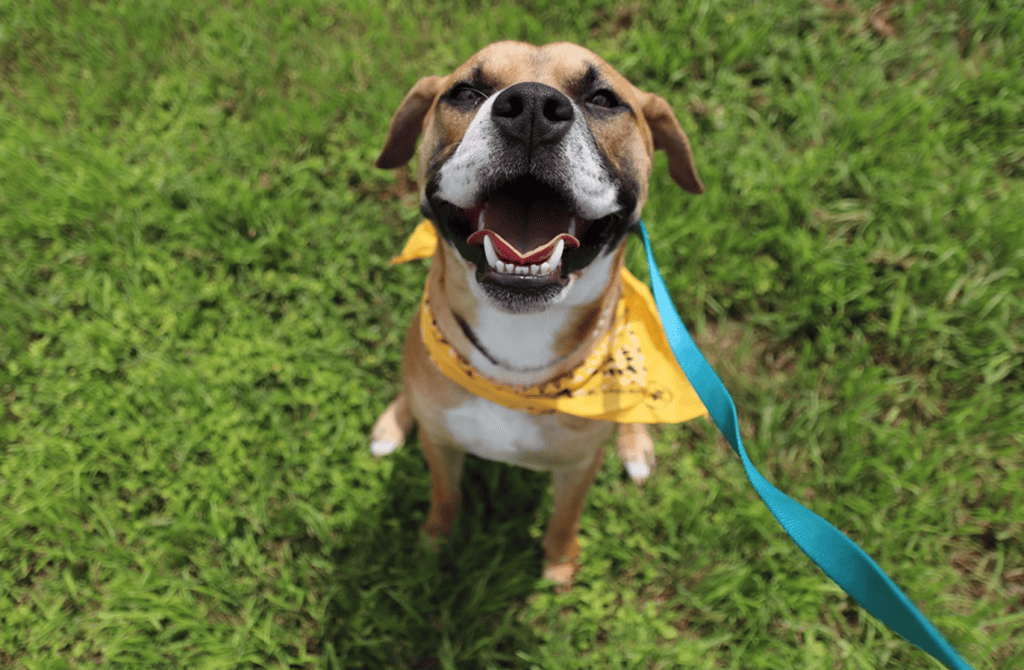
- San Antonio Dangerous Dog Incident Surge: San Antonio ACS responded to 523 dangerous dog cases in FY 2025, up 73.7% from 301 in FY 2024. Surging enforcement cases reflect stricter municipal responses to aggressive roaming dogs. (City of San Antonio, 2026)
- Texas Summer Holiday Emergency Surges: Emergency veterinary centers across Texas report sharp seasonal surges in snake bites, heatstroke, and vehicular trauma during summer holidays. Elevated outdoor travel increases acute injury risks in rural recreation areas. (Texas Veterinary Medical Association, 2025)
- TPWD Fixed-Leash Safety Recommendations: TPWD recommends keeping dogs on short, non-retractable leashes under 6 feet during walks. Fixed leashes prevent dogs from stepping on hidden venomous snakes or approaching territorial coyotes. (Texas Parks and Wildlife, 2026)
Dog bites and animal-related injuries
- USPS Texas Dog Attack State Ranking: Texas ranks #2 nationally for postal carrier dog attacks, logging 404 reported incidents in a single calendar year. High attack rankings emphasize that unsecured domestic dogs pose severe biting hazards to neighborhood delivery personnel. (USPS Newsroom, 2023)
- San Antonio Annual Bite Investigation Volume: San Antonio Animal Care Services investigates over 3,000 animal bite incidents annually across Bexar County. High bite report volumes trigger mandatory 10-day quarantine protocols to verify rabies status. (City of San Antonio ACS, 2026)
- Houston National Dog Attack Ranking: Houston ranks #1 among all U.S. cities for mail carrier dog attacks, recording 57 attacks in a single year. Houston’s top ranking highlights significant free-roaming dog containment issues across major Texan urban neighborhoods. (USPS Newsroom, 2023)
- Dallas Municipal Dog Bite Reporting: Dallas Animal Services processed over 2,200 reported animal bite cases in 2025. Active bite enforcement protects community safety and ensures compliance with state quarantine laws. (City of Dallas Animal Services, 2025)
Dog-to-dog injuries and group-play safety
- Group-Play Laceration Trauma Frequencies: Texas veterinary emergency hospitals report that dog-to-dog fight lacerations account for over 15% of weekend acute trauma admissions. Group-play altercations at off-leash parks frequently cause severe puncture wounds and tissue crushing. (Texas Veterinary Medical Association, 2025)
- Boarding Facility Quarantine Standards: Texas Department of State Health Services guidelines require commercial boarding kennels to maintain dedicated isolation rooms for dogs exhibiting respiratory or aggressive behavior. Isolation protocols prevent group-play injury spreads and infectious disease transmission. (Texas DSHS, 2025)
- Off-Leash Park Interaction Advisories: Municipal park authorities in Austin and Dallas advise dog owners to supervise group play continuously and remove resource-guarding toys. Supervision reduces territorial dog-to-dog aggression during peak weekend park hours. (City of Austin Parks & Rec, 2025)
- Commercial Daycare Safety Protocols: Professional Texan dog daycares enforce temperament evaluations before group play admission. Structured playgroups significantly reduce dog-to-dog bite injuries compared to unsupervised public dog parks. (Hip Hounds / TVMA, 2026)
Cost of keeping a dog healthy in Texas
Tracks the financial side of canine health, including veterinary, preventive and emergency care across Texas.
Source: How Much Does a Vet Visit Cost? (2026 Price List) | Pawlicy Advisor
Veterinary care costs
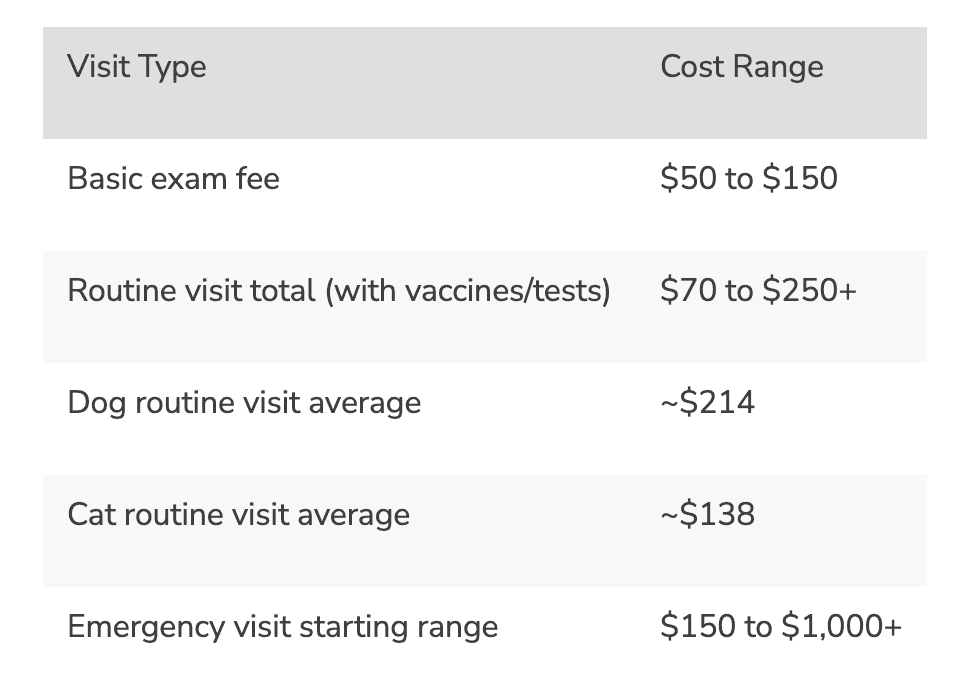
- Texas Annual Routine Exam Pricing: Routine veterinary wellness exams in Texas average between $55 and $85 per visit. Baseline exam fees cover physical health assessments, cardiac auscultation, and mobility evaluations. (Pawlicy Advisor, 2026)
- Subsidized Municipal Exam Savings: Low-cost municipal wellness clinics like Houston BARC offer routine vaccinations and wellness checks at 50% to 70% below private clinic rates. Subsidized care ensures low-income pet owners can meet mandatory state health requirements. (City of Houston BARC, 2025)
- First-Year Texas Dog Care Expenditures: First-year ownership expenditures for puppies in Texas average between $1,200 and $2,100. First-year budgets reflect booster vaccine series, spay/neuter surgery, microchipping, and initial parasite preventives. (Pawlicy Advisor, 2026)
- Regional Cost Variations Across Texas Metros: Veterinary examination fees in high-cost metro areas like Austin and North Dallas range 20% to 35% higher than in rural West Texas clinics. Overhead facility costs and specialized diagnostic equipment drive metro pricing differences. (Texas Veterinary Medical Association, 2025)
Preventive care and vaccination costs
- Annual Core Vaccine Series Costs: Core vaccination packages (Rabies, DHPP, Bordetella) in Texas average $90 to $160 annually. Regular booster series protect against endemic viral threats like parvovirus and distemper. (Texas Veterinary Medical Association, 2025)
- Annual Heartworm Preventive Expense: Year-round oral or injectable heartworm preventives in Texas cost between $120 and $240 per dog annually. Continuous monthly doses are far cheaper than clinical heartworm adulticide therapy. (American Heartworm Society, 2025)
- Flea and Tick Medication Pricing: Annual broad-spectrum flea and tick preventives average $180 to $300 per dog in Texas. Uninterrupted vector protection prevents costly tick-borne disease diagnostic workups. (Texas Veterinary Medical Association, 2025)
- Low-Cost Vaccination Clinic Discounts: Non-profit wellness events in San Antonio offer $10 rabies shots and $15 core combo vaccines. Discounted events lower financial barriers for pet owners striving to maintain statutory rabies compliance. (City of San Antonio ACS, 2025)
Emergency care and pet insurance
- Average Monthly Pet Insurance Premium in Texas: Comprehensive dog insurance in Texas averages $50 to $70 per month ($600–$840 annually). Texas premiums closely align with national averages, providing affordable emergency safety nets for dog owners. (Embrace Pet Insurance, 2026)
- Emergency Hospital Admission Costs: Acute emergency veterinary admissions in Texas metros range from $800 to $2,500 for stabilization, diagnostics, and overnight monitoring. Severe trauma or snake envenomation treatments can quickly exceed $3,500. (Texas Veterinary Medical Association, 2025)
- Rattlesnake Antivenom Treatment Costs: Rattlesnake envenomation treatment at Texan emergency centers costs between $1,500 and $4,000 per vial plus hospitalization. High antivenom expenses prompt many Texan outdoor dog owners to seek rattlesnake vaccine boosters. (Texas A&M CVM, 2025)
- Acute Heatstroke Emergency Stabilization Expenses: Emergency clinical treatment for canine heatstroke in Texas averages $1,200 to $3,000 depending on ICU length of stay. Intensive fluid therapy, plasma transfusions, and oxygen support drive acute emergency bills. (Texas Veterinary Medical Association, 2025)
Methodology and source notes
This page separates Texas surveillance from national benchmarks and identifies the population behind every claim. Tested specimens, insured pets, shelter animals and survey respondents are not interchangeable, so citations stay attached to the exact finding they support.
Update policy
- USDA’s 2026 screwworm status page distinguishes active animal cases from inactive cases after mitigation. Case status can change after treatment, so active and inactive detections need to be checked at the time of publication. (USDA APHIS, July 2026)
- Texas DSHS publishes annual rabies reports based on laboratory-confirmed surveillance. Annual laboratory reports provide a consistent statewide source, although final totals lag real-time local alerts. (Texas DSHS, 2026)
- USDA’s current monitoring program uses more than 100 traps and began Texas trapping on July 23, 2025. The surveillance start date and trap count help readers distinguish ongoing monitoring from confirmed animal cases. (USDA APHIS, 2026)
How can you help your dog stay healthy?
Healthy dogs need routine prevention, safe exercise and well-managed social time. Work with your veterinarian on vaccination, parasite control, weight, heat safety and age-appropriate screening. Round Rock owners can explore Hip Hounds daycare and boarding or schedule a free evaluation day.